Detecting expansion joint leaks is smart and fast with our targeted approach. We find the source in facades, balconies, galleries, parking decks, and basements, so you stop the damage.
We analyze construction joints, sealant joints, expansion profiles, concrete, and masonry. Using a smoke test, tracer gas, thermography, and moisture measurement, we demonstrate flow, water pressure, and capillary moisture, and check joint tape and swelling tape around window frames and the roof edge.
You get clear images, measurement data, and a plan that works. Choose Ultrices leak detection. Google reviews 5/5 and read experiences regarding detecting expansion joint leaks.
What is an expansion joint and why does it leak
An expansion joint, also known as a movement joint or dilatation joint, is a controlled interruption in concrete, masonry, or facade systems to prevent thermal contraction and expansion from causing cracks. The joint is sealed with an elastic system such as MS polymer sealant, PU sealant, polysulfide, a compressible joint profile, or a waterproof expansion tape made of PVC or FPO. Leakage occurs when the joint seal loses its elasticity, the detail is installed incorrectly, or the connection with, for example, a window frame or roof parapet is incorrect. Water creeps into the structure along the joint via capillary action or under hydrostatic pressure, causing moisture damage, mold, and corrosion of the reinforcement. At Ultrices Leak Detection, we detect dilatation joint leakage using building physics methods that comply with NEN 2778 for moisture in buildings and infrared testing in accordance with EN 13187 for the detection of shell defects.
Signs and causes of leakage at expansion joints
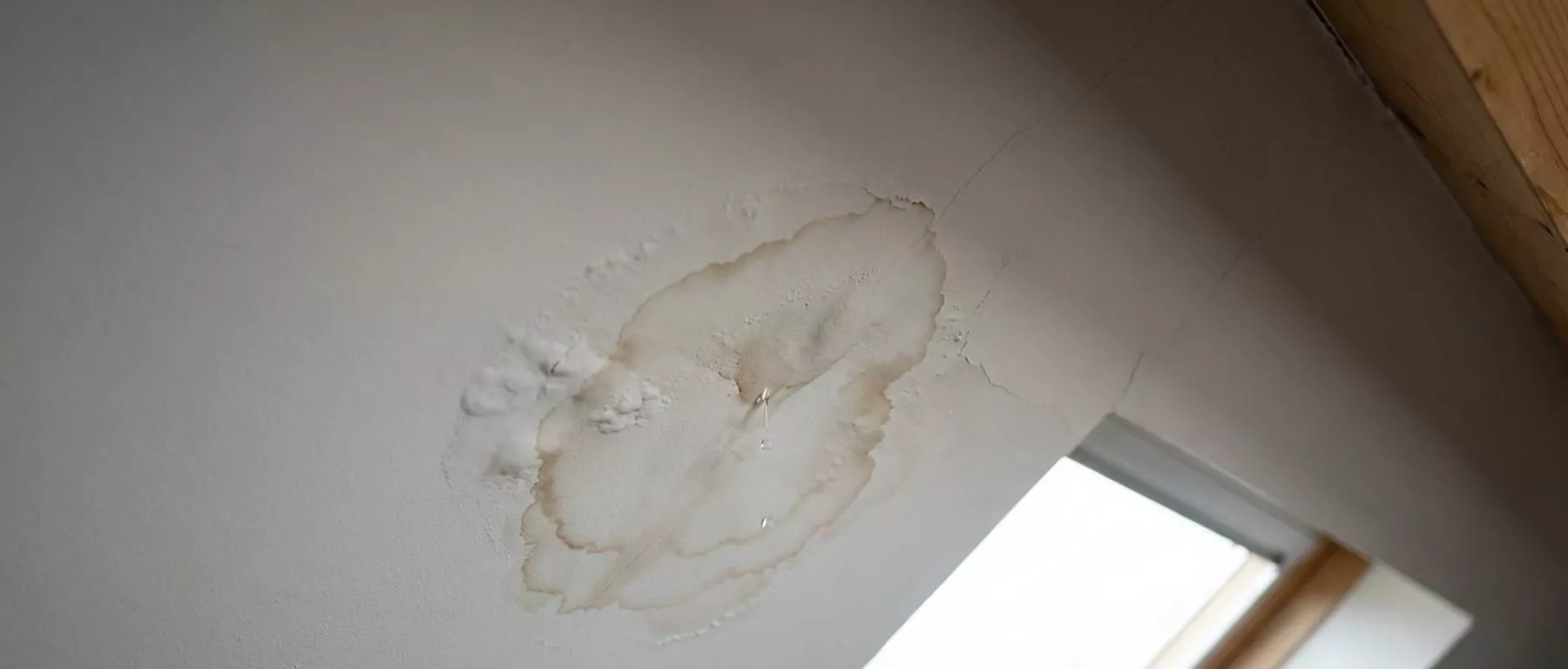
- Visible traces of moisture: discoloration, salt efflorescence, and peeling paint around vertical facade joints or horizontal roof edges, often after rain
- Damaged seal: detached or torn sealant, open joints, sagging compression profiles or crumbled mortar connections
- Constructive movement: joint too narrow or missing backer rod preventing the seal from moving and causing it to tear
- Incorrect detail: missing water bar in concrete, penetrations right next to the joint, incorrect riser height or incorrect connection to EPDM or bitumen
- Internal symptoms: damp interior walls, mold spots at ceiling connections, moisture in the cavity or around a gallery floor
Our methods for detecting expansion joint leakage without breaking.
We combine proven building physics techniques and advanced leak detection equipment for accurate source localization. Examples include infrared thermography for cold and moisture patterns, a smoke test for air leaks at facade openings, a fluorescein dye test for capillary routes, endoscopy in the cavity or expansion chamber, acoustic reading, and structural moisture measurements with data logging. This allows you to find the exact leak in the expansion joint without any demolition or breaking work. If you would like to see how we approach this using thermal imaging and data analysis, view our practical explanation of facade thermography via infrared inspection of facade expansion joints or read how we work damage-free via leak detection without demolition.
Step-by-step leak detection process for expansion joints
- Intake and context: we discuss complaints, year of manufacture, materials, and previous repair attempts so that we can perform targeted testing
- Visual inspection: close-up assessment of expansion joints, sealant quality, backer rod, connection details, and possible cracks
- Measurement strategy: choice of thermography, smoke test, dye test, endoscopy, or water loading targeted at the suspected route
- Targeted simulation: controlled water load on the expansion joint or facade detailing to confirm the rainwater ingress effect and capillary absorption
- Source verification: cross-checking with moisture measurements and camera images so that we identify one clear cause and prevent cannibalization of symptoms
- Recovery advice: concrete plan with material selection such as Sika Hyflex, Tremco illbruck SP525 or Bostik sealing systems and, where necessary, PU or acrylic gel injection or replacement of expansion joint tape and joint profile
Leak detection process request
Types of expansion joints and risk details in facade and roof
- Vertical facade expansion joints: joints in masonry or precast concrete with a risk of water infiltration at window and lintel connections, especially during rain
- Horizontal joints roof edge: transitions between facade and roof parapet with risk of water leakage behind bitumen or EPDM if the parapet is too low
- Parking garage and gallery: movement due to load and temperature whereby water seeps downwards through open expansion joints
- Balcony and facade sections: expansion joints in balcony slabs and sandwich elements that open and let water in due to shrinkage
- Cavity and inner leaf: damaged cavity seals and missing drip edges that allow moisture to pass through the expansion joint into the interior
To learn more about adjacent facade problems and how we demonstrably trace them back to a single source, read on about targeted facade leakage detection.
Repair advice, reporting and insurance
After detecting expansion joint leakage, we provide an expert report within three working days containing measurement data, thermographic images, and clear repair options. Examples include full stretch sealant with proper backer rod and three-point bonding, replacement of compression profiles, injection of cracks with PU or acrylic gel, installation or repair of a water barrier, and correct detailing of connections. We work with insurers and substantiate causality and consequential damage to ensure your coverage is not jeopardized. If you want to know immediately what your inspection will cost and when we will visit, simply request a free quote for expansion joint inspection within 24 hours.
Why Ultrices leak detection
- Proven precision: 99 percent success rate through a combination of thermography, tracing tests, and building physics analysis
- Without demolition: professional detection equipment and methods so that you avoid unnecessary damage and can recover quickly
- Certified and safe: VCA VOL and NEN 3140 guaranteed with a team that has 15 years of experience in commercial and residential real estate
- Service and guarantees: Available 24 hours a day, emergency on-site possible within one hour, no solution no payment, no cure no pay, and coverage guarantee
- Clear reporting: deployable nationwide with an expert report that restoration parties can implement immediately
Call or WhatsApp 085 080 55 42 or email info@Ultriceslekdetectie.nl for quick help from Ultrices Leak Detection. If you would like to delve into related causes of indoor leaks that we detect just as damage-free, please also check out our approach to tracing damp spots in ceilings.
Frequently asked questions
How do you recognize a leak through the expansion joint and when should you have it detected?
You can recognize a leak in an expansion joint by damp patches that follow the joint line exactly, brown streaks under window frames, white efflorescence on masonry, peeling sealant, or mold around galleries, balconies, and facade seams. It often worsens during wind and rain or specifically after a thaw. A musty smell in the cavity or wet spots on ceilings next to columns are also red flags.
If you observe this or if your facade only leaks during precipitation, schedule an inspection immediately. We are available nationwide, can be on-site within an hour in case of emergency, and work without any demolition or breaking. If you would like to delve deeper into rain-related facade leakage, please view facade leaks only during rain.
How do you locate a leaking expansion joint without demolition work?
We combine multiple non-destructive techniques into conclusive evidence. Examples include thermal imaging with an infrared camera, moisture mapping with capacitive and resistance meters, cavity endoscopy, smoke tests along expansion joints, and controlled spray tests on critical details such as dilatation profiles, shadow joints, and sealant seams. Where necessary, we use dye tracers with UV inspection for water flow visualization.
Our VCA VOL and NEN 3140 certified specialists follow a structural protocol and document everything with images and measurement data. This allows us to accurately locate the leak and prevent unnecessary repairs. Curious how targeted water loading works? Read about the facade leakage spray test . With our emergency service and professional detection equipment, we provide quick clarity.
What causes an expansion joint to leak and how do you prevent it from happening again?
Common causes include outdated or incorrectly applied sealant, faulty backer rods, cracking due to shrinkage and temperature fluctuations, defective expansion joints, or a defective damp-proof course in the cavity. UV aging, contamination, and movement loads caused by wind or traffic in parking garages accelerate the problem.
Prevent recurrence with the correct joint detail and material selection, such as durable sealant or EPDM compression profile, correct adhesion to clean flanks, and a properly placed backer rod. Record preventive maintenance in your Owners' Association's Multi-Year Maintenance Plan (MJOP) and arrange for periodic inspections. If you suspect that the cavity is leaking water, delve into detecting defective cavity wall damp-proofing . We provide repair advice that aligns with practical experience and manufacturer specifications.
How much does it cost to detect an expansion joint leak, and is it covered by insurance?
The investment depends on accessibility, working at height, the size of the facade area, and the required testing methods. You will receive a free quote within twenty-four hours, and following an inspection, a comprehensive expert report within three days including photos, measurements, and concrete repair advice. Thanks to our no-demolition approach, no-cure-no-pay policy, and a success rate of approximately ninety-nine percent, you keep costs manageable.
Building insurance policies often cover the cost of leak detection for consequential damage, provided you submit a substantiated report. We work with insurers daily and offer guaranteed coverage if it falls within your policy. In case of emergency, call us; we are available nationwide 24 hours a day, seven days a week, and where possible, will be at your door within an hour on behalf of Ultrices Leak Detection.